

Cosplay, from the words “costume play,” is the art of dressing up in costumes and representing a specific character from a work of fiction, such as anime, cartoons, video games, tv series, or movies. It has become a way for people to showcase their passion for various fandom or pop culture franchises, while expressing their creativity in embodying the characters they admire and connecting with others who share the same interests. This cultural phenomenon has undoubtedly become a significant aspect in pop culture and has garnered a massive following of fans worldwide.
While some enthusiasts enjoy cosplay as a pastime at conventions and events, for others it has now become a thriving business. Cosplay has given rise to a thriving community of makers, artists, influencers, and entrepreneurs who create and sell costumes, props, and accessories. This industry is continuously growing as more people turn their passion for creating and wearing costumes into a source of income.
Curious to know how these cosplayers are monetizing their talents? Read on.
COSPLAY COMPETITIONS
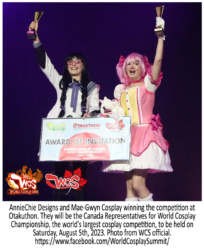
Participating in cosplay competitions which offer cash prizes or other rewards and winning can not only provide a significant financial boost to cosplayer, especially if they are competing in multiple events, but also help gain more exposure and attract new fans.
Even without winning, there are still many benefits in gaining exposure in such events and one of which is attracting sponsorship opportunities which may offer cash, merchandise, or other perks to cosplayers in exchange for promotion or endorsement.
Increased exposure may also help cosplayers who plan to turn their hobby into a business to build their brand, possibly leading to future commission requests for costumes, props, and other cosplay-related services.
Overall, joining competitions can attract attention and generate buzz on social media, leading to more followers, networking opportunities, collaboration opportunities, and potential customers.
CREATING AND SELLING
COSTUME AND PROPS
Many talented cosplayers make their own costumes and props, either to wear it themselves or to sell to others. They may offer their ready-made handmade costumes and accessories for sale or offer their services to create custom-made costumes and props for clients through online marketplaces like Etsy or their own personal websites. With the help of social media platforms, they can advertise their skills and availability, share links of their online shops, and receive orders from interested cosplayers.
PRINTS
 Selling prints of cosplay photos allows fans and followers to support their favorite cosplayers and own a physical copy of their work. Many cosplayers offer signed prints in different sizes, as well as digital downloads, which can be purchased online or at events.
Many Asian cosplayers sell signed prints of their cosplay photos or artwork on online marketplaces like Taobao or Fanplus. They also offer exclusive prints to fans who support them on websites like Patreon. While it is true that many Asian cosplayers have become well-known for their print sales, cosplayers from other regions have also found success in selling prints and merchandise of their cosplay work. This goes to show that the popularity of a cosplayer’s prints and merchandise depends on their skill level, creativity, and social media presence, regardless of their geographical location.
OFFERING COSPLAY SERVICES
 EVENT APPEARANCES
By building online presence, networking, and establishing a reputation within the cosplay community, cosplayers can attract income generating opportunities such as being hired to make appearances in events like conventions, promotional events, and even to parties where they will be paid for allotting their time and sharing their skills, as well as for the use of their costumes and props.
For cosplayers who are in high demand and have a large following, event appearances provide a significant source of income. In these instances, cosplayers are able to negotiate their appearance fees with the event organizers, considering factors such as the size and location of the event, the expected number of attendees, and the cosplayer’s popularity and experience. Some cosplayers may also receive additional compensation for participating in panels, workshops, and other activities in the event.
There are also instances where cosplayers are invited to travel overseas to make appearances at events such as conventions, exhibitions, or other promotional events. These types of opportunities can be particularly lucrative, as they may include not only appearance fees, but also travel expenses, accommodations, and other perks.
MODELING AND PHOTO SHOOTS
Cosplayers with strong online presence are sought after by photographers and companies who offer paid modeling work. These entities seek to employ cosplayers to model their products while creating engaging cosplay-related content for their portfolios, social media, or marketing materials. The hired models are able to negotiate either a flat fee or a percentage of the profits generated from the photo shoot or created content.
SPONSORSHIP
 Cosplay has also influenced various industries, including fashion, entertainment, and gaming. It has become an integral part of conventions and events, with cosplayers drawing massive crowds and media attention. Because of this, cosplayers who have a particularly large social media following may be approached by companies looking for influencers to promote their products or services through sponsored content. This can be a lucrative way for cosplayers to earn money while also building their brand and expanding their audience.
Some of these sponsorships involve affiliate marketing wherein a cosplayer is hired to promote a product or service and receive a commission for each sale made through their affiliate links or unique promo code that is provided to them by the company.
Sponsorships and affiliate marketing can be a good way for cosplayers to earn from their passion without having to spend too much from utilizing traditional advertising. However, it is good to note for cosplayers to be discerning when choosing which products or brands to work with. Work only with the product that they think aligns with their personal brand or interests and will not damage their reputation in the future.
CROWD FUNDING
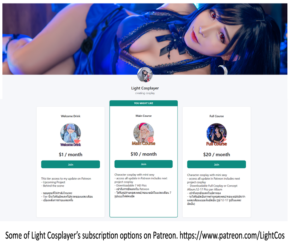 Plenty of cosplayers have found success in the use of crowdfunding subscription-based platforms such as Patreon or OnlyFans where they can offer exclusive contents such as photos, videos, tutorials, personalized messages, and other perks to their subscribers.
These crowdfunding platforms have become popular particularly among Asian cosplayers who have turned their cosplay passion into a full-time career. Asian cosplayers have been at the forefront of turning cosplay into a business and monetizing their passion for years. With the rise of social media and e-commerce platforms, they have found new opportunities to reach wider audiences and turn their cosplay hobby into a sustainable career.
LIVESTREAMING
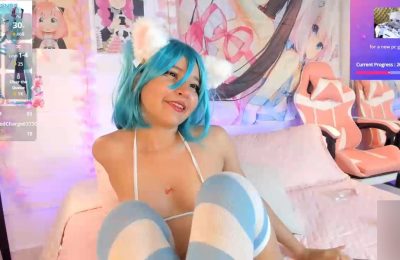
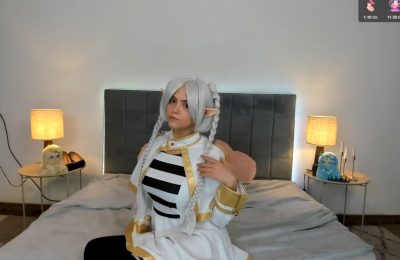
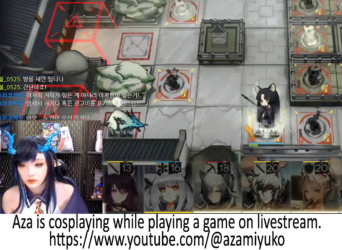 These days, the demand for instant and unfiltered form of content and the changes when it comes to media consumption have led to a rise in demand for live and interactive content. Therefore, livestreaming has become a popular means to offer unique and engaging content which allows viewers to connect with the content creators in real-time, creating a sense of community and experience. During these live streams, cosplayers often interact with their fans and receive virtual gifts, which can be exchanged for money.
When done correctly and according to the target audience’s interests, livestreaming can be quite lucrative. However, it can be quite tedious to maintain a livestreaming platform and so cosplayers should carefully consider whether it is the right option for them based on their goals and resources. This requires a significant amount of effort and preparation, including planning, setting up equipment, creating engaging content, and managing the livestream in real-time. There is also the concern of ensuring a safe and secure environment for livestreaming, as there have been incidents of harassments and negative behaviors towards cosplayers during livestreams.
COSPLAY AGENCIES
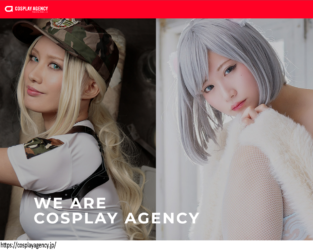 Getting into a cosplay agency may not be easy as agencies like these typically gear towards working with experienced cosplayers who already have a strong portfolio of work and professional skills. To be considered by a cosplay agency means that cosplayers must already have showcased their creativity and attention to detail by means of creating high quality costumes, props and accessories. They should also be exceptional when it comes to performance skills, such as acting, posing, and public speaking.
Cosplay agencies often scout for new talent during conventions and events, so attending these events can be a great way to get noticed.
Cosplay monetization can be quite challenging, not to mention competitive. The cosplay industry can be unpredictable because it is constantly changing, and so cosplayers need to be flexible and adaptable in taking on a variety of projects and grabbing opportunities while keeping up with the latest trends.
Going into this venture requires hard work, dedication, creativity, and a good back bone. Those who are planning to earn from this hobby must be prepared to put in the time and effort to better their skills, create high-quality costumes and props, and promote themselves online and in-person. It may not be easy, but cosplayers who are passionate about their craft and committed to building their brand and reputation within the cosplay community can find many opportunities to earn money and create a fulfilling career doing what they love.